What Is Yoga? Returning to the True Meaning
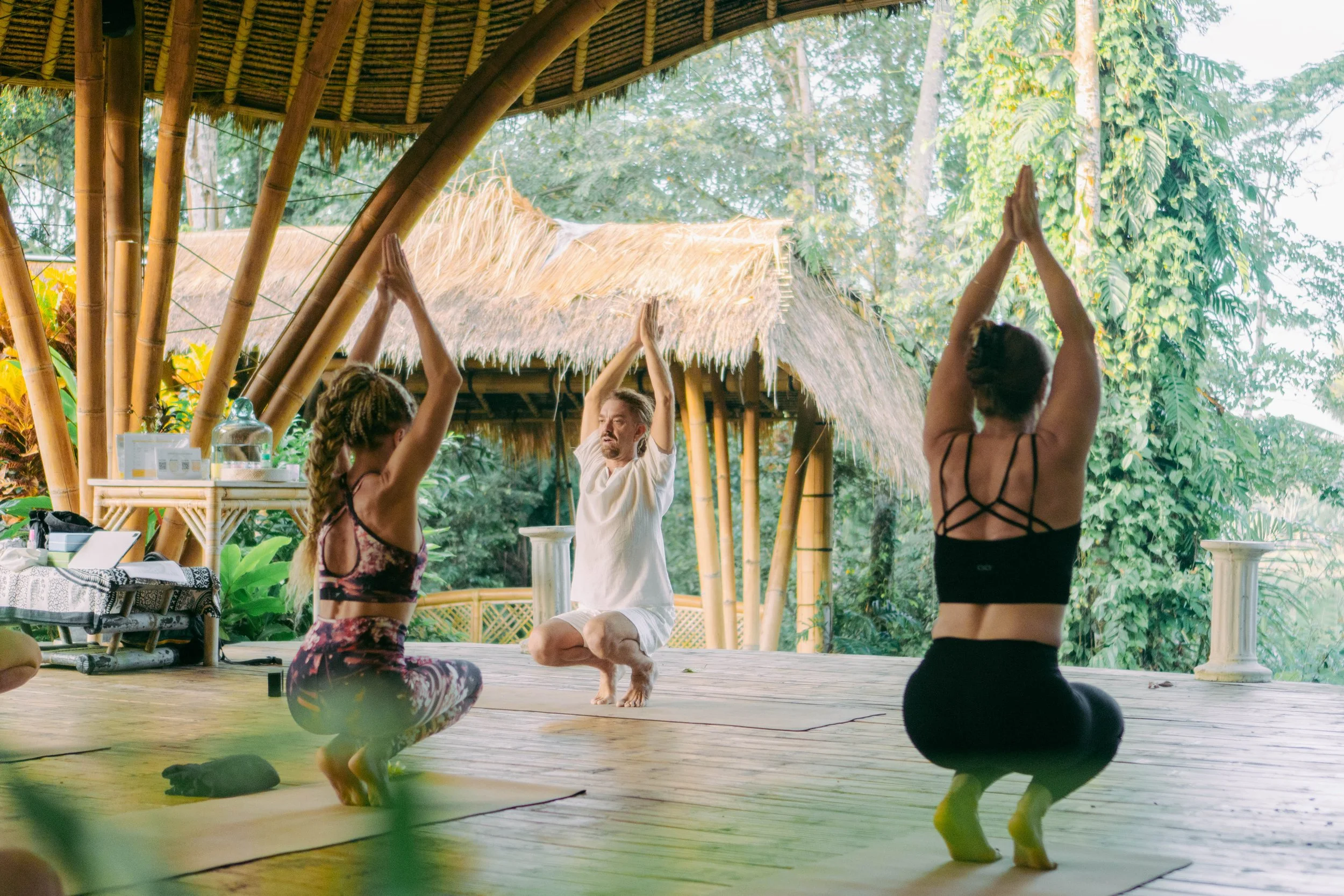
The word Yoga is often used casually today — for exercise classes, wellness trends, even lifestyle branding. But when we go back to its origins, the meaning is far deeper and more transformative. To understand Yoga in its truest sense, we must return to its roots: both linguistic and philosophical.
Traditional Definitions
The word Yoga comes from the Sanskrit root yuj, meaning to attach, to join, to unite, to harness, to yoke. From this, three classical meanings of Yoga have been handed down:
Yoga as Union (yugir yoga)
To unite the individual consciousness with universal consciousness.
Like a drop of water merging into the ocean, the individual merges with the whole — not losing identity but realising oneness.
This reflects the definition and goal of Yoga in the Hatha Yoga tradition.
Yoga as Concentration (yuja samadhan)
Holding the mind steadily on one point until it transcends thought.
Here, Yoga is the means to move beyond the mind through meditation, culminating in samadhi (absorption).
This is the focus of Raja Yoga, or Patanjali’s Yoga Sutras, where Yoga means concentration, not union.
Yoga as Control (yuja samyamane)
The steady mastery of the senses and the cessation of mental activity.
Anything done with awareness and control can become Yoga.
This reflects the vision of the Kathopanishad.
Though described differently, all three meanings share the same essence: Yoga is a discipline that leads the practitioner from limitation toward freedom, from restlessness toward clarity, from attachment to detachment, all toward achieving the highest state of being.
The Goal of Yoga

Ultimately, Yoga aims at enlightenment — self-realisation, freedom, kaivalya. This can be pursued through two classical paths:
Raja Yoga: stopping the fluctuations of the mind, entering stillness until the Self is revealed, by detaching it from the body,.
Hatha Yoga: awakening kundalini energy and merging with higher consciousness.
Beyond technical definitions, Yoga is a complete programme for a more fulfilling life. It is a way to know “Who am I?” — to see oneself as part of the universe, to live with purpose, and to rise into a higher state of consciousness where liberation is found.
In simple terms, Yoga is both a philosophy and a set of physical, mental, and spiritual practices that guide us toward self-realisation.
The Modern Use of “Yoga”
In the modern era, the word “Yoga” has been drastically narrowed. Today it is often equated with asana alone — the postures. But to limit Yoga to asana is to miss almost everything.
Why did this happen?
During British colonial times, where Yoga practices were largely forbidden in India, the parts of Yoga that seemed most accessible to the West — the physical practices — were highlighted and exported.
In the early 20th century, “Yoga as exercise” was further developed to modernise the practice and attract attention. Over time, spiritual depth was reduced and postures became the central focus.
By the late 20th century, dynamic physical exercises were popularised as “Yoga,” even when awareness of mind and spirit was absent.
This is why today many people think Yoga is stretching or fitness. But Yoga is not stretching, and stretching is not Yoga. Asana is only one limb of Yoga — and not even the most important. It is meant as preparation: to strengthen and relax the body so it can sit steadily, so the mind can be quieted, and so the inner journey can begin.
True Yoga combines physical, mental, and spiritual practice with the goal of stopping the restless mind and moving toward self-realisation.
Yoga vs Asana vs Physical Exercise
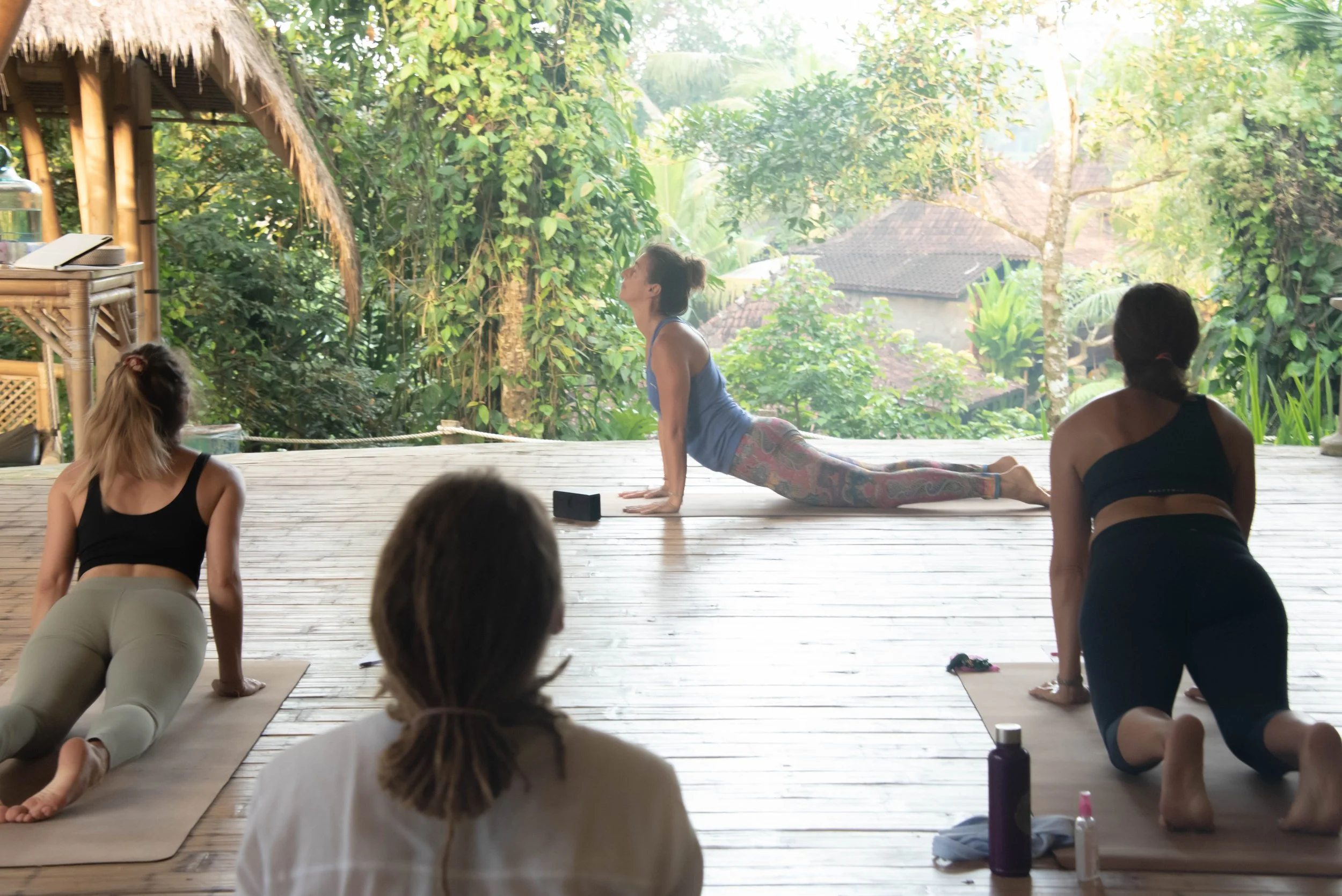
To highlight the difference clearly:
Yoga
Activates all systems in the body through a wide range of practices.
Develops body, mind, and spirit together.
Builds strength, balance, flexibility, awareness, and spiritual clarity.
Moves step by step: physical → mental → spiritual.
Asana
Calms the nervous system, activating the parasympathetic response.
Improves physical and mental balance.
Strengthens the body and develops awareness of body and mind.
Involves non-violent, controlled movements with even blood distribution.
Physical Exercise
Activates the sympathetic nervous system (the emergency stress response).
Improves the body only.
Can leave the body tired or drained.
High chance of injury due to violent, repetitive, or isolated movements.
Uneven blood distribution, usually often focused on one area of the body.
This comparison makes it clear: while asana is one doorway into Yoga, Yoga itself is far broader — a system for total transformation, not just physical fitness.
The SKY Perspective
At SKY Yoga and Meditation, we are committed to sharing Yoga in its authentic meaning. For us, Yoga is not just asana, not just wellness, not just exercise. It is a profound path that unites body, mind, and spirit, guiding us toward self-realisation.
Our approach honours both tradition and lived practice:
We teach asana as a foundation, not an endpoint.
We integrate pranayama, meditation, and philosophy as central practices.
We hold Yoga as a living philosophy for clarity, balance, and liberation.
In our eco-village jungle setting in Pejeng, Bali, students learn to experience Yoga not as a trend but as a transformative journey.
Key Takeaways
Yoga has three classical meanings: union, concentration, and control.
The ultimate goal of Yoga is self-realisation / liberation.
Asana is only one limb of Yoga, meant to prepare the body and mind for deeper practices.
Modern “Yoga as exercise” reflects a diluted view, far from Yoga’s true essence.
Authentic Yoga is a complete system for physical, mental, and spiritual transformation.
Learn and Practice with SKY Yoga and Meditation
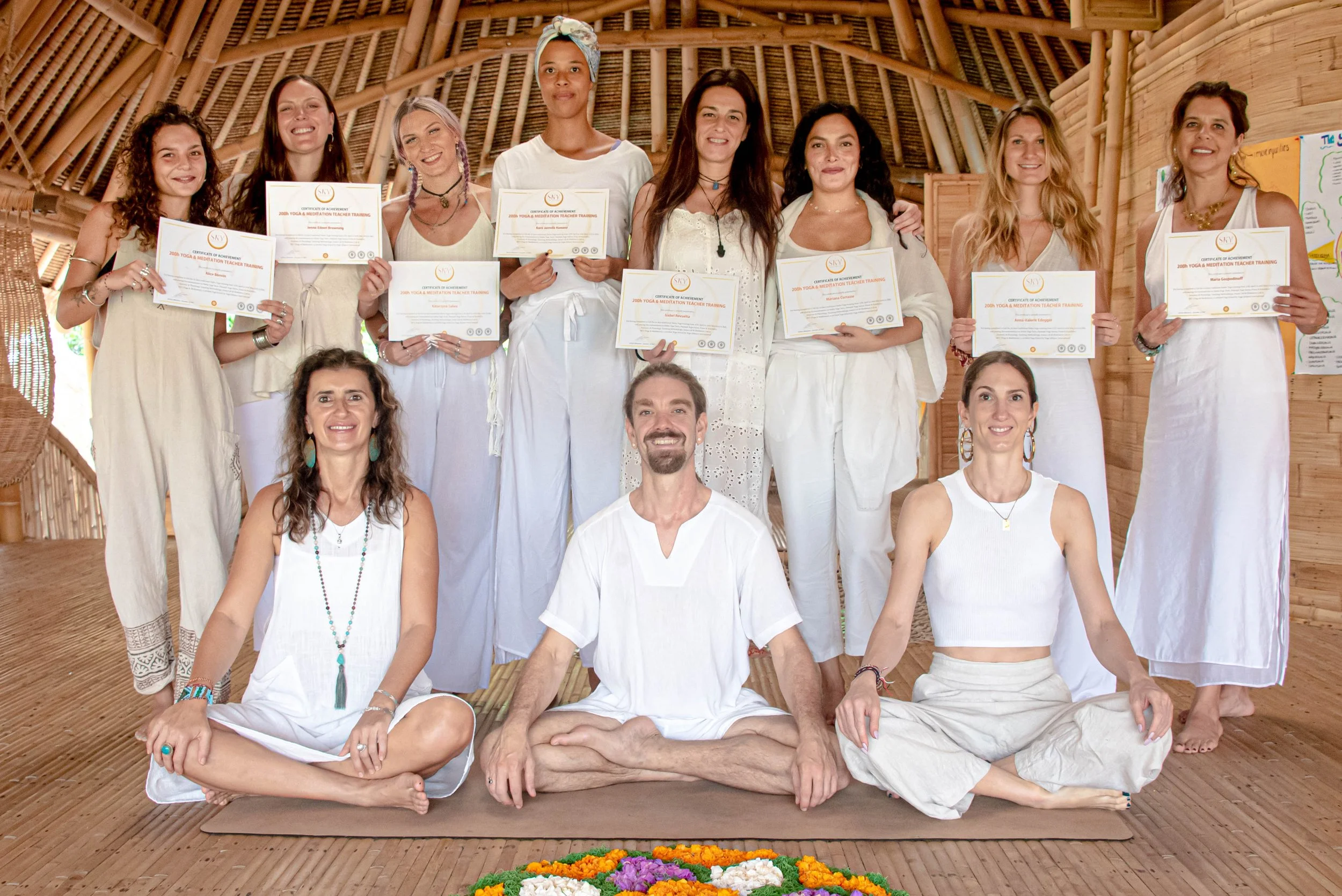
We are SKY Yoga and Meditation, the most traditional and authentic Yoga Teacher Training in Bali. Our Yoga center is located in a beautiful jungle eco-village in Pejeng, near Ubud. Our mission is simple but profound: to share Yoga as authentically as possible, rooted in tradition and lineage, while offering a space for deep practice and transformation.
If you feel inspired to explore these teachings further, we welcome you to join us:
200-Hour Yoga Teacher Training in Bali — a foundational, immersive program designed to give you not only teaching skills but also a living experience of authentic Hatha Yoga.
300-Hour Advanced Yoga Teacher Training — for those ready to deepen their path, refine their practice, and step into the next level of teaching and self-mastery.
Weekly Yoga and Meditation Classes — open to all, held in our bamboo shala overlooking the lush Ubud jungle, offering a taste of SKY’s unique blend of traditional teaching and supportive community.
Whether you are preparing to teach, seeking to deepen your personal practice, or simply curious to begin, SKY provides the guidance, environment, and authenticity that allow Yoga to unfold in its truest sense.
For more details or a fast answer to your questions, send us an email or WhatsApp us directly.
We would love to welcome you into our community here and introduce you to the most authentic Yoga courses in Bali to see for yourself how life-changing traditional Yoga can truly be.