Traditional Hatha Yoga vs Modern Vinyasa / Flow: Understanding the Differences — and Their Unique Benefits
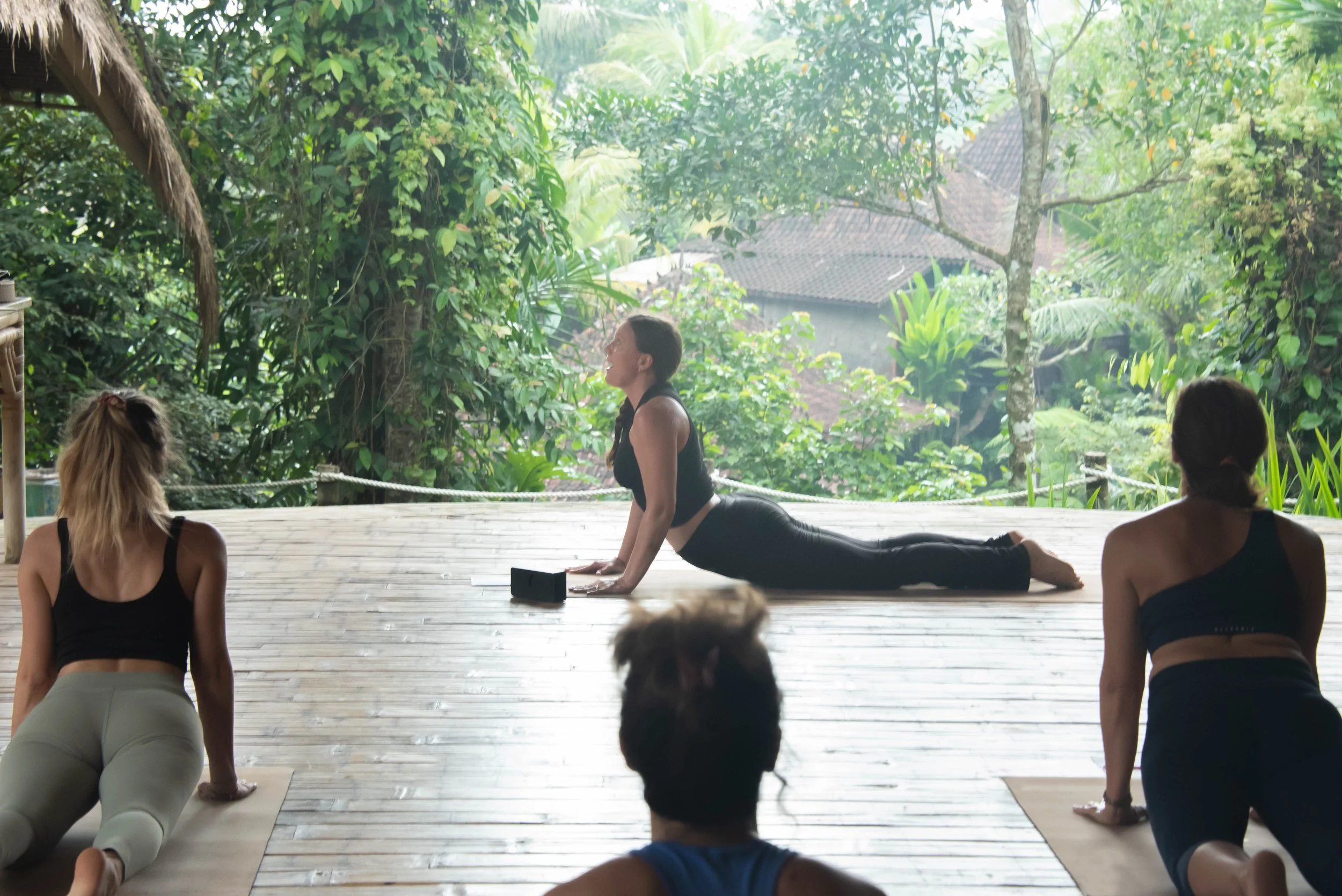
In today’s yoga world, the word “Hatha” is often used loosely — sometimes to mean slow, sometimes to mean gentle, and often as a catch-all for anything not branded as “power” or “flow.” But Traditional Hatha Yoga is far more than a style; it’s the root system from which all other modern asana practices grew.
Understanding the distinction between traditional Hatha Yoga and modern Vinyasa or Flow practices helps clarify not only what kind of class you’re choosing, but also what kind of transformation you’re inviting into your life.
The Origins: A Question of Intention
Traditional Hatha Yoga dates back thousands of years to the Indian subcontinent. The term Hatha comes from ha (sun) and tha (moon), symbolising balance — between strength and surrender, effort and ease, body and consciousness.
Originally, Hatha Yoga was a complete system of purification and energy regulation. It included asanas, yes, but also pranayama (breathwork), mudras (energy seals), bandhas (locks), and meditation — all designed to prepare the body and mind for higher states of awareness.
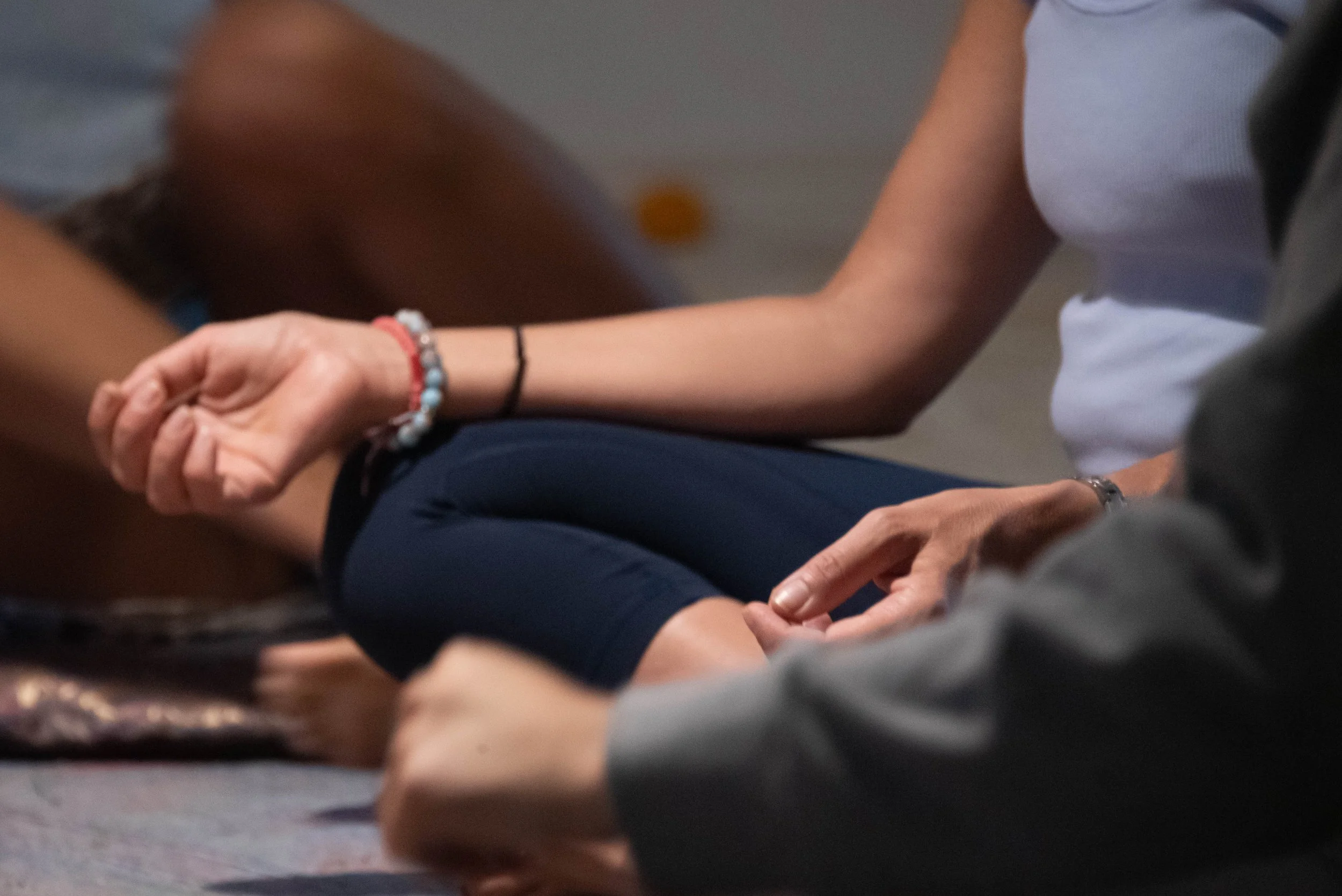
Modern Vinyasa or Flow Yoga, by contrast, emerged much more recently — shaped by the evolution of Ashtanga Yoga in the 20th century and influenced by Western fitness culture. Its goal is often physical: building heat, improving mobility, and maintaining flow through coordinated movement and breath.
While Vinyasa emphasises expression and creativity, Traditional Hatha emphasises discipline and inner stillness.
Pace, Structure, and Practice
In a traditional Hatha class, the pace is steady and deliberate. Each posture is held for longer, allowing time for alignment, breath awareness, and energetic activation. Between postures, there’s often stillness — space to observe the effects of practice within the body and mind.
In modern Flow or Vinyasa classes, the sequence is continuous and rhythm-based. Postures are linked by transitions, guided by the breath, creating a sense of momentum and grace. The focus is on the movement itself — on staying fluid, often to music or guided rhythm.
Both approaches can be deeply rewarding:
Hatha cultivates focus, stability, and endurance.
Vinyasa cultivates fluidity, strength, and cardiovascular vitality.
The question isn’t which is better, but which serves you right now.
The Role of Breath and Energy
Breath (prana) is the thread connecting both traditions, but how it’s used differs profoundly.
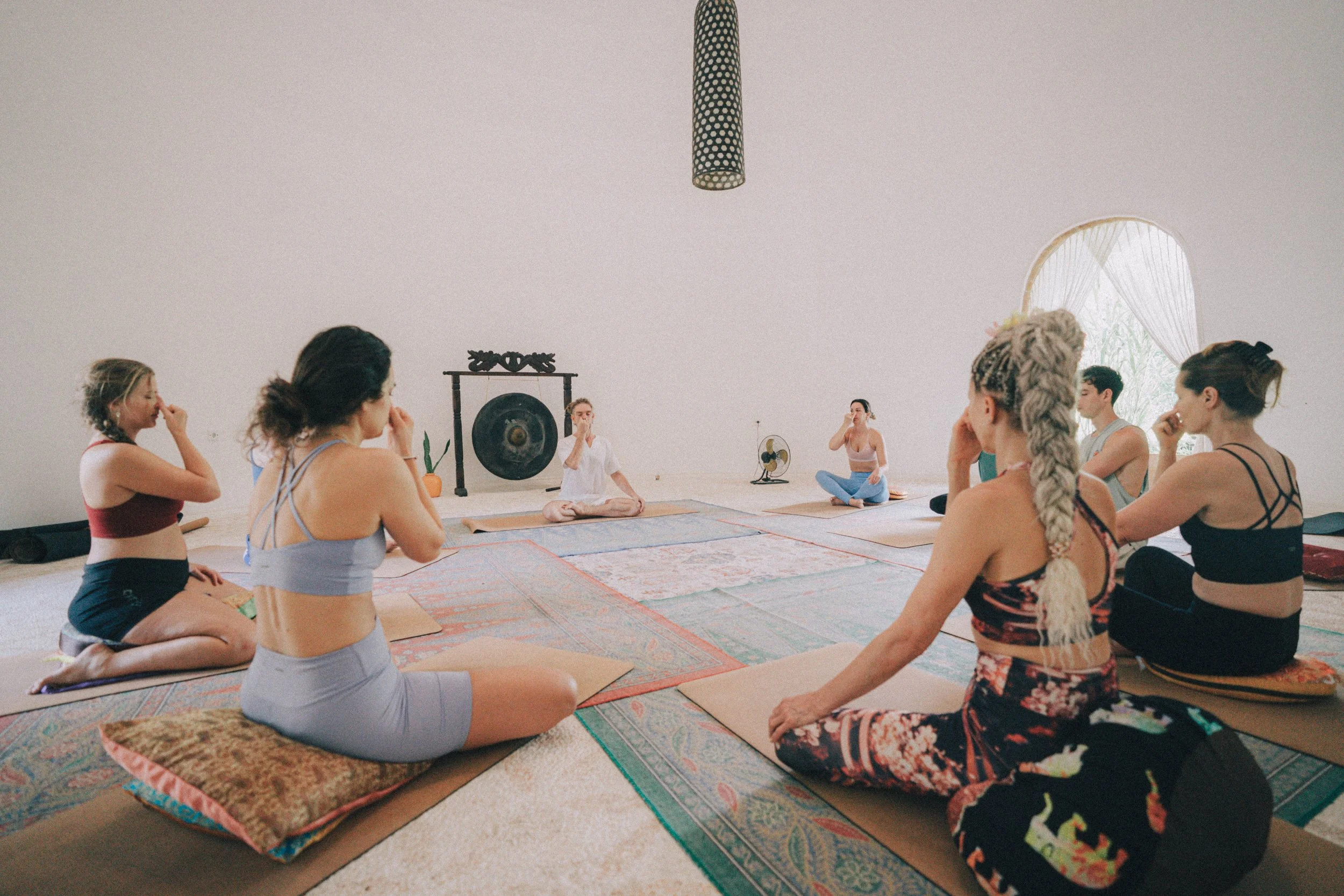
In Traditional Hatha Yoga, breath is regulated — slowed, directed, and refined through techniques like Nadi Shodhana, Kapalabhati, and Bhastrika. These pranayama practices cleanse energy channels and prepare the mind for meditation.
In Vinyasa or Flow, the breath tends to guide movement — typically one inhale or exhale per transition. It builds internal heat and rhythm but rarely goes into energetic control or retention (kumbhaka).
So while both value breath, Hatha uses it to still the mind, and Vinyasa uses it to animate the body.
Philosophy and Purpose
Traditional Hatha Yoga is rooted in the idea that the body is a sacred vessel for spiritual awakening. Its aim isn’t flexibility or fitness — it’s liberation (moksha). Every asana, mantra, and breath technique is a doorway to higher awareness.
Modern Flow and Vinyasa, though inspired by the same roots, often focus on physical wellbeing — posture, strength, stress relief, mindfulness. They are beautiful, accessible entry points into yoga, but they tend to stay at the surface layer of the practice.
Neither approach is wrong; they simply serve different intentions.
The Benefits of Each
Traditional Hatha Yoga:
Builds endurance, focus, and deep self-awareness
Strengthens subtle energy systems and improves vitality
Balances the nervous system through pranayama and stillness
Develops mental steadiness, patience, and inner silence
Connects practitioners to Yoga’s original philosophical roots
Modern Vinyasa / Flow:
Increases flexibility and cardiovascular strength
Improves coordination, rhythm, and body awareness
Offers creativity and dynamic expression through movement
Reduces stress and energises the body through breath-driven flow
Provides a more accessible entry point for beginners
When practised consciously, both can lead to transformation — the difference lies in direction: Vinyasa moves energy outward through expression; Hatha turns it inward through awareness.
Integrating Both Approaches
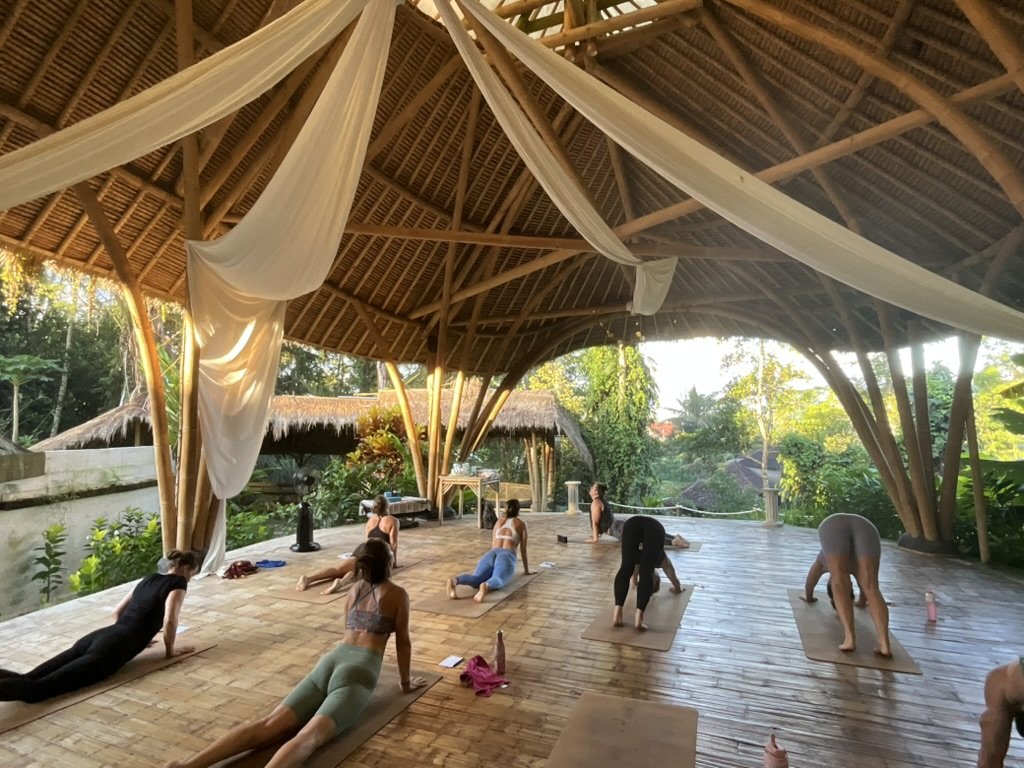
In truth, they don’t have to compete. A well-rounded practice might combine both — the grounding steadiness of Hatha and the creative rhythm of Vinyasa. Many teachers, including those at SKY Yoga and Meditation, encourage this integration: honouring the roots of Yoga while meeting the needs of modern practitioners.
Understanding these differences isn’t about choosing sides; it’s about choosing with clarity. When you know the intention behind your practice, your time on the mat becomes far more than movement — it becomes transformation.
Learn and Practice with SKY Yoga and Meditation
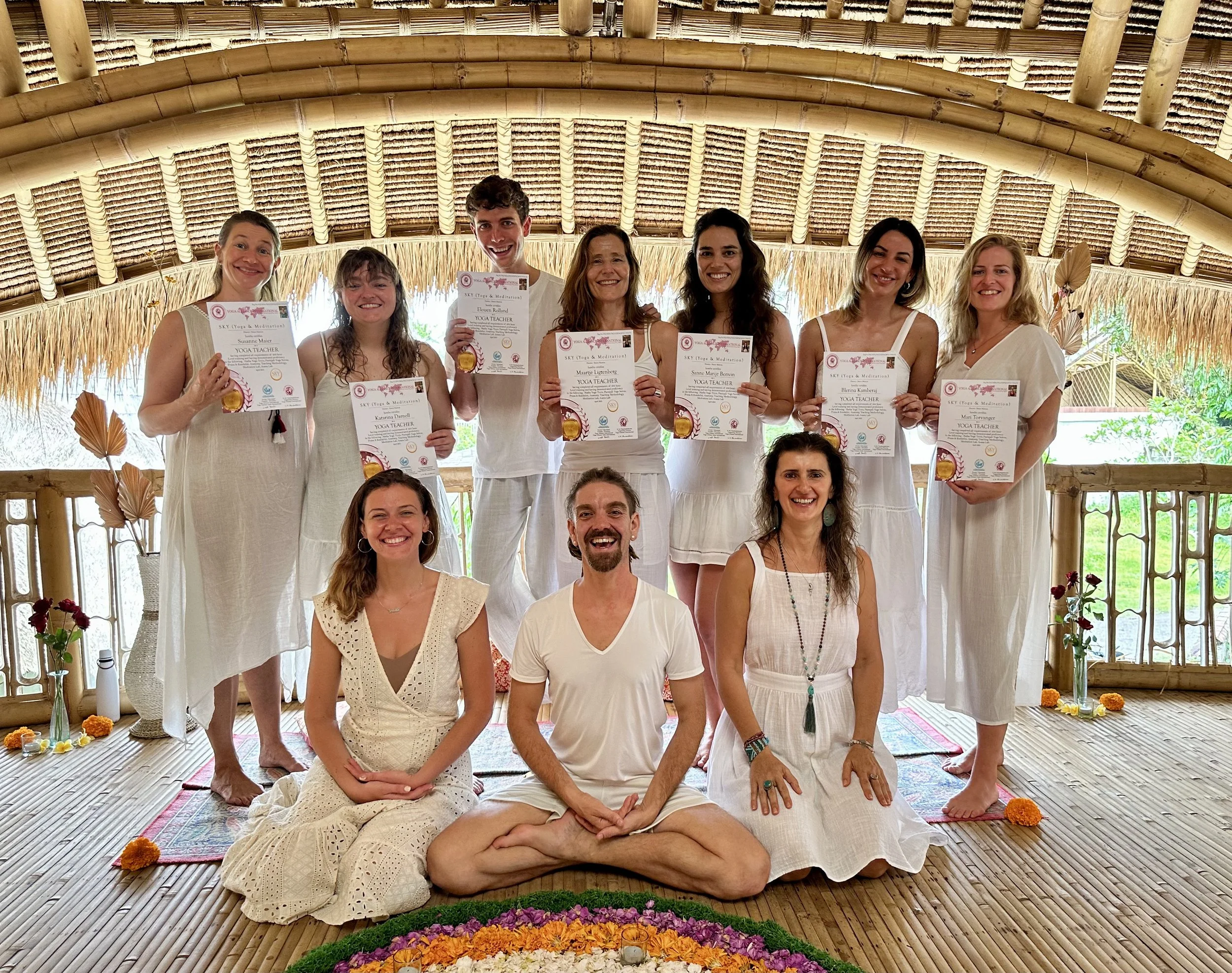
We’re SKY Yoga and Meditation, a Yoga school and studio located in a beautiful jungle eco-village in Pejeng, Bali. Our mission is simple but profound: to share Yoga as authentically as possible, rooted in tradition and lineage, while offering a space for deep practice and transformation.
If you feel inspired to explore these teachings further, we welcome you to join us:
200-Hour Yoga Teacher Training in Bali — a foundational, immersive program designed to give you not only teaching skills but also a living experience of authentic Hatha Yoga.
300-Hour Advanced Yoga Teacher Training — for those ready to deepen their path, refine their practice, and step into the next level of teaching and self-mastery.
Weekly Yoga and Meditation Classes — open to all, held in our bamboo shala overlooking the lush Ubud jungle, offering a taste of SKY’s unique blend of traditional teaching and supportive community.
Whether you are preparing to teach, seeking to deepen your personal practice, or simply curious to begin, SKY provides the guidance, environment, and authenticity that allow Yoga to unfold in its truest sense.
For more details or a fast answer to your questions, send us an email or WhatsApp us directly. We’d love to welcome you into our community here in Bali.